

Building a remote accounting team is not simply a matter of hiring accountants who work from home. A reliable remote accounting team needs the right technical skills, clear ownership, secure systems, documented processes, measurable KPIs, and an onboarding model that helps each person become part of the finance function.
For companies considering remote accounting or finance and accounting outsourcing, the goal should be long-term operational value—not simply lower labor costs. The strongest remote finance teams operate as an extension of the business, with responsibility for accurate reporting, timely close processes, compliance, and continuous improvement.
TL;DR A high-performing remote accounting team combines accounting expertise, cloud-software proficiency, secure access, clear responsibilities, strong communication, and structured onboarding. Start by defining the roles and outcomes you need, hire for both technical ability and remote-working skills, document your accounting processes, use role-based access and secure cloud systems, and measure performance through outcomes such as reporting accuracy, close timelines, compliance, and process efficiency. For companies that lack global hiring or contractor-management infrastructure, a specialized accounting staffing agency or global talent partner can help source and support vetted remote accountants.
What Is a Remote Accounting Team?
A remote accounting team is a group of accounting and finance professionals who work outside a company's physical office while using shared cloud systems, communication tools, financial processes, and performance standards. Depending on the business, a remote accounting team may include bookkeepers, accounts payable and receivable specialists, accountants, payroll specialists, financial analysts, or FP&A professionals.
Remote accounting does not mean handing financial work to an anonymous external vendor. A dedicated remote team can work directly with your finance leaders, use your systems, follow your processes, and build knowledge of your business over time.
Why Build a Long-Term Remote Accounting Team?
The main advantage of a long-term remote accounting team is access to specialized talent without limiting recruitment to a single local labor market. Remote hiring can also give businesses more flexibility when they need to add capacity, expand a finance function, or build coverage around specific accounting responsibilities.

However, accounting depends heavily on continuity. Month-end close, reconciliations, reporting, compliance, and financial controls all benefit from people who understand the company's systems and history. That is why long-term integration matters more than simply finding the lowest-cost provider.
- Access a broader pool of accounting and finance talent.
- Add specialized capacity without rebuilding the entire finance function.
- Create flexible team structures as business needs change.
- Build institutional knowledge through longer-term working relationships.
- Integrate remote accountants into existing systems, processes, and management structures.
What Roles Can Be Part of a Global Accounting Team?
Not every finance responsibility needs to be performed onsite. Many accounting, bookkeeping, reporting, and finance-analysis functions can be performed remotely when the appropriate systems and controls are in place. Finance roles that can be performed remotely include:
- Bookkeeper
- Staff Accountant
- Accounts Payable Specialist
- Accounts Receivable Specialist
- Payroll Specialist
- Financial Reporting Specialist
- Financial Analyst
- FP&A Specialist
- Accounting Operations Specialist
- Finance Manager
The right structure depends on the company's size, transaction volume, reporting requirements, systems, and internal finance leadership. Start with the work that needs to be owned rather than hiring a generic role and expecting one person to cover every finance function.
How to Build a Remote Accounting Team That Lasts
A strong remote accounting team starts with the right people, clear expectations, and a long-term approach to working together. Done well, it can become a stable part of your finance function rather than a temporary solution.
1. Define Roles, Responsibilities, and Outcomes Before Hiring
The first step in building a remote accounting team is to define what each role owns. A vague job description makes both recruitment and performance management harder.
For each role, document:
- Core responsibilities and recurring tasks.
- Systems and accounting software the person will use.
- Required accounting knowledge and certifications, where relevant.
- Who reviews or approves the person's work.
- Key deadlines such as weekly reporting or month-end close.
- KPIs that define successful performance.
- Escalation procedures for discrepancies, risks, or unusual transactions.
Clear ownership is especially important in distributed finance teams because ambiguity can create duplicate work, missed approvals, and rework during close.
2. Hire Remote Accountants for Technical Skills and Remote Fit
Technical accounting expertise remains the foundation of a strong remote accounting team. At the same time, remote finance professionals need to communicate clearly, document their work, manage deadlines independently, and raise issues before they become problems.

When you hire remote accountants, assess both dimensions. Look for candidates who can:
- Handle reconciliations, reporting, close processes, and financial analysis appropriate to the role.
- Work confidently with cloud accounting and finance systems such as QuickBooks Online, Xero, NetSuite, or comparable platforms.
- Understand the accounting, tax, or compliance requirements relevant to the role and jurisdiction.
- Document processes and explain financial issues clearly in writing.
- Work independently while knowing when to escalate a problem.
- Collaborate effectively across teams and time zones.
A specialized accounting staffing agency or global talent partner can reduce the sourcing burden by identifying and pre-vetting candidates before the interview stage.
3. Use Structured Onboarding for Remote Accounting Teams
Remote accounting onboarding should establish both technical access and operational context before the person takes ownership of financial work. A new accountant needs to understand not only how to use the systems, but also how the company's finance function works.

A strong onboarding process should cover:
- Company and finance-team structure.
- Chart of accounts and accounting policies.
- Standard operating procedures for recurring workflows.
- Month-end and year-end close procedures.
- Reporting calendars and deadlines.
- Approval and segregation-of-duties requirements.
- Data-handling and confidentiality expectations.
- Access to accounting systems, documentation, and communication channels.
- KPIs and quality standards for the role.
Give new team members access to the documentation they need and pair onboarding with a defined first-30/60/90-day plan. This makes expectations visible and reduces dependence on informal knowledge.
4. Build a Secure Technology and Data Environment
Accounting teams handle highly sensitive information, including financial statements, payment information, payroll data, customer records, and sometimes personally identifiable information. Remote contractor security therefore needs to be part of the operating model from the beginning.
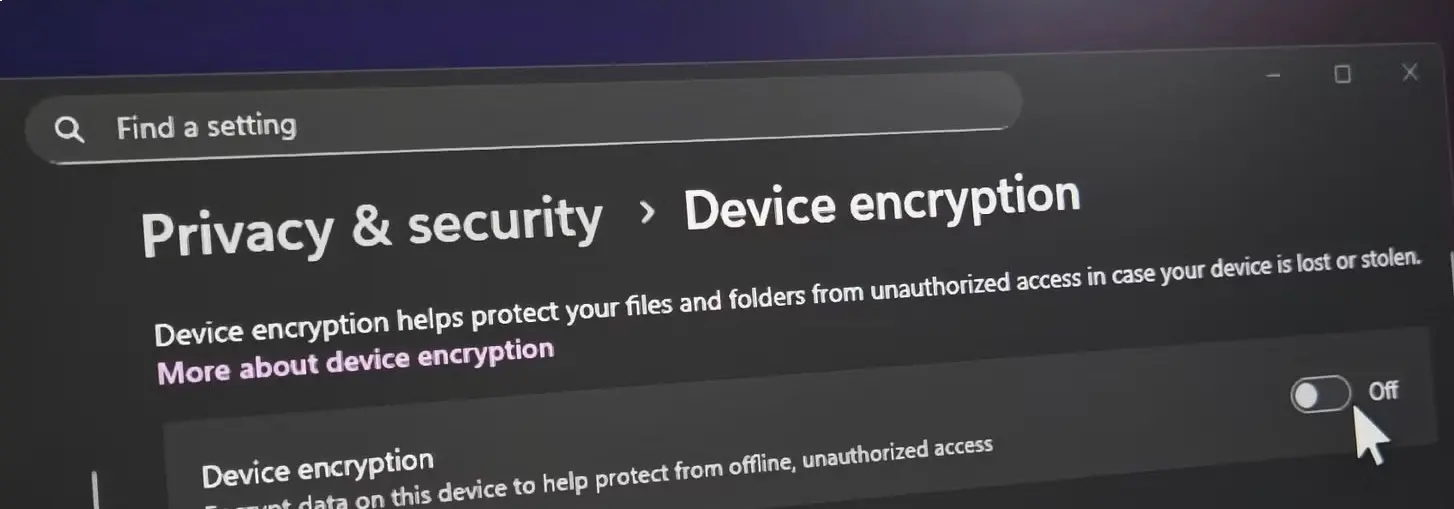
At a minimum, remote accounting teams should use:
- Individual user accounts rather than shared credentials.
- Multifactor authentication for financial and business systems.
- Role-based access and least-privilege permissions.
- Secure cloud accounting and document-management systems.
- Encrypted devices and up-to-date operating systems.
- Controlled access to sensitive financial files.
- Documented procedures for reporting security incidents.
- Prompt access removal when a team member leaves or changes roles.
The principle is simple: access should reflect what a person needs to perform their role, and sensitive access should be easy to review and revoke.
5. Create Clear Communication and Async Work Standards
Remote accounting teams need predictable communication because many finance processes depend on deadlines, approvals, and handoffs. Communication should not depend on everyone being online at the same time.
Define:
- Where daily or weekly updates are posted.
- Which issues require an immediate message or meeting.
- How discrepancies and exceptions are escalated.
- Where process documentation is stored.
- Who owns each approval and decision.
- Which meetings are required during close and reporting cycles.
Good asynchronous habits are especially valuable across time zones. Written documentation creates a shared record and reduces the risk that important financial context disappears in a chat or meeting.
6. Measure the Team With Outcome-Based Accounting KPIs
Remote accounting performance should be measured by the quality and reliability of financial outcomes rather than by visible online activity or hours worked.
Useful KPIs can include:
- Month-end close completion time.
- Reporting accuracy.
- Reconciliation completion and exception rates.
- Accounts payable and receivable cycle times.
- On-time reporting percentage.
- Compliance and control adherence.
- Number and severity of unresolved financial discrepancies.
- Process-efficiency improvements.
The exact KPIs should reflect the role. A bookkeeper, accounts receivable specialist, and FP&A analyst should not be evaluated using the same measures.
7. Prioritize Retention and Continuity
Accounting knowledge compounds over time. People who remain with the team learn the company's systems, reporting patterns, customers, vendors, approval structures, and historical issues. That institutional knowledge can make the finance function more efficient and resilient.
Long-term retention is supported by:
- Clear role expectations and career development opportunities.
- Regular performance and development conversations.
- Access to relevant accounting and finance training.
- Competitive and fair compensation.
- Meaningful ownership rather than repetitive task assignment.
- Recognition for improvements to financial processes.
The objective is to build a finance team that becomes more valuable as it learns the business—not a rotating pool of people completing isolated tasks.
Remote Accounting Team vs. Traditional Accounting Outsourcing
Remote accounting and traditional accounting outsourcing are not necessarily the same model. Traditional outsourcing may involve delegating a defined process to a provider that manages delivery. A dedicated remote accounting team can instead operate as an embedded extension of the company's finance function.
|
Factor |
Traditional Outsourcing |
Dedicated Remote Accounting Team |
|
Management |
Often managed by the provider |
Managed directly by the client |
|
Structure |
Defined service or process |
Dedicated roles within the finance function |
|
Knowledge |
May remain process-specific |
Builds knowledge of the business over time |
|
Performance |
Often focused on service levels |
Focused on role-specific outcomes and KPIs |
|
Flexibility |
Changes may follow the service scope |
Roles can evolve with business needs |
Why Work for Impact for Remote Accounting Teams?
Work for Impact helps companies build dedicated global teams by sourcing and pre-vetting professionals for roles such as bookkeeping, accounting, accounts payable and receivable, financial analysis, and other finance functions. The model is designed around long-term team integration rather than anonymous task delivery.

Work for Impact supports the infrastructure around global talent, including recruitment, contracts, compliance, payroll, and HR support, while clients remain involved in selecting and managing the professionals who join their teams.
For companies that want to expand their accounting capacity without limiting recruitment to their local market, this approach can provide access to vetted global professionals while keeping ownership of the finance function with the client.
Build Your Remote Accounting Team for the Long Term
Building a long-term remote accounting team is a finance strategy, not simply a hiring tactic. The strongest teams combine accounting expertise with clear ownership, secure technology, documented processes, reliable communication, and a long-term approach to retention.
When remote accountants are integrated into the business and given the context and systems they need to succeed, the result can be a more flexible and resilient finance function. For companies that need global talent without giving up control of their accounting operations, a dedicated remote team can be a practical alternative to traditional task-based outsourcing.
Talk to one of our strategists about your accounting needs and the roles you need to fill. We’ll help you explore the right approach for building a reliable remote finance team.
Frequently Asked Questions
How do you build a remote accounting team?
Start by defining the accounting responsibilities and outcomes you need, then create clear roles, hire for technical and remote-working skills, establish secure systems, document finance processes, and onboard each person into the wider finance function. Use role-specific KPIs to measure accuracy, timeliness, compliance, and efficiency.
What roles can be included in a remote accounting team?
A remote accounting team can include bookkeepers, staff accountants, accounts payable and accounts receivable specialists, payroll specialists, financial reporting specialists, financial analysts, FP&A specialists, and finance managers, depending on the company's needs.
What skills should you look for when hiring remote accountants?
Look for relevant accounting expertise, financial systems knowledge, attention to detail, communication skills, documentation habits, reliability, problem-solving ability, and the judgment to escalate discrepancies or risks appropriately.
What tools do remote accounting teams need?
Most remote accounting teams need a cloud accounting platform, secure communication tools, centralized document management, role-based access controls, multifactor authentication, and systems for tracking approvals and recurring finance workflows. The exact technology stack depends on the company's accounting processes.
How do you manage a remote accounting team?
Manage the team through clear ownership, documented processes, regular communication, role-specific KPIs, and structured review cycles. Focus on financial outcomes such as reporting accuracy, close timelines, compliance, and process efficiency rather than monitoring whether people are visibly online.
What is the difference between a remote accounting team and accounting outsourcing?
Accounting outsourcing generally means delegating accounting work or a defined process to an external provider. A dedicated remote accounting team is structured as an extension of the company's finance function, with professionals working within the company's systems, management structure, and long-term goals.
How long does it take to onboard a remote accounting team?
The timeline depends on the roles, systems, complexity of the accounting function, and the quality of existing documentation. A well-defined onboarding process can help new team members become productive faster by giving them clear procedures, access, responsibilities, and reporting expectations from the start.
How do you keep financial data secure with remote accountants?
Use individual accounts, multifactor authentication, role-based access, least-privilege permissions, secure devices, encrypted connections where appropriate, controlled document access, and documented incident-reporting procedures. Access should be reviewed as responsibilities change and removed promptly when a team member leaves.