

Key Takeaways
- The "lift and shift" outsourcing model is obsolete. In 2026, performance comes from Strategic Global Talent Partners who build embedded, culturally aligned teams.
- Traditional outsourcing hides cost in churn, re-hiring, re-training, and lost momentum. When teams are paid fairly, they stay longer, perform better, and reduce the total cost of ownership over time.
Does fair pay mean expensive? No. Traditional models of global hiring are purposefully opaque; you’re never really sure where your money is going or how much the talent really earns. This opaqueness is ripe for change. At Work for Impact, we’ve flipped the model, stripping out all the bloated “management” costs and passing those savings onto you and the talent. This is how we can deploy our fair pay model and still save businesses money.
What is a remote staffing agency in 2026?

A global remote staffing agency in 2026 is no longer a low-cost vendor. The most effective partners act as strategic global talent partners, designing long-term, embedded teams that integrate into your operations.
This shift reflects a mature global workforce. The pandemic-era experiment is over. Remote hiring is now a core operating model, where company boundaries are defined by digital connectivity rather than geography.
The real question for leaders is no longer whether you should hire remote staff worldwide, but how to do so without repeating the failures of traditional outsourcing. For some recruitment markets like the UK, this is becoming a structural dilemma vs. just a temporary one (Read: How UK Companies Are Building Reliable Remote Teams in 2026).
The Macro-Shift: Resilience Talent Shortages and Return-to-Office (RTO) Friction

From Globalization to Friend-Shoring
Supply-chain shocks and geopolitical tension have pushed organizations towards regional resilience. So-called "friend-shoring" offers stability, but building entities locally is costly and slow.
Strategic staffing partners and international remote hiring agencies now act as buffers, enabling access to global talent without permanent infrastructure risk.
The RTO Disconnect

While many firms push for office returns, talent is voting with its feet:
- 77.76% would quit if flexibility disappeared. (Greenhouse Candidate Experience)
- 88.85% of jobseekers prioritise remote work. (Goodhire)
This gap is reshaping hiring strategies. Companies embracing global teams gain deeper talent pools and faster replacement capacity.
The New Economics of Outsourcing: Value Over Cost
The old question was: How much can we save?
The 2026 question is: How much capability can we unlock for the same budget? H
Example:
- Old model: Junior local hire at $60k.
- New model: Senior global specialist at $40k.
This is value arbitrage, not labour arbitrage. This shift explains why modern offshore remote staffing services are increasingly used to access senior talent, not just reduce costs.
Staffing Models Compared
| Model | Primary Objective | Best For | Key Risk |
| Strategic Global Talent Partner | Long-term performance and team integration | Embedded teams across core business functions | Shared accountability for retention, performance, and continuity |
| Employer of Record (EOR) | Legal employment and compliance | Companies that already manage hiring and performance internally | Client owns talent quality, engagement, and outcomes |
| Managed Services (BPO/IPO) | Process execution and efficiency | High-volume, standardised workflows | Limited continuity and role evolution |
| Freelance Marketplaces | Speed and flexibility | Short-term or non-core tasks | High IP, security, and continuity risk |
Why Fair Pay is a Performance Strategy

Replacing a team member costs 16-20% of their annual salary in recruitment and lost productivity. Cheap teams churn. Stable teams compound value.
At Work for Impact, we pay 2-3x local wage benchmarks, resulting in:
- Lower attrition driven by fair pay and team stability
- Lower total cost of ownership
- Protected institutional knowledge (on this topic in CX, for example, read Why Dedicated Remote Customer Support Teams Scale Better Than BPOs)
The AI Paradox
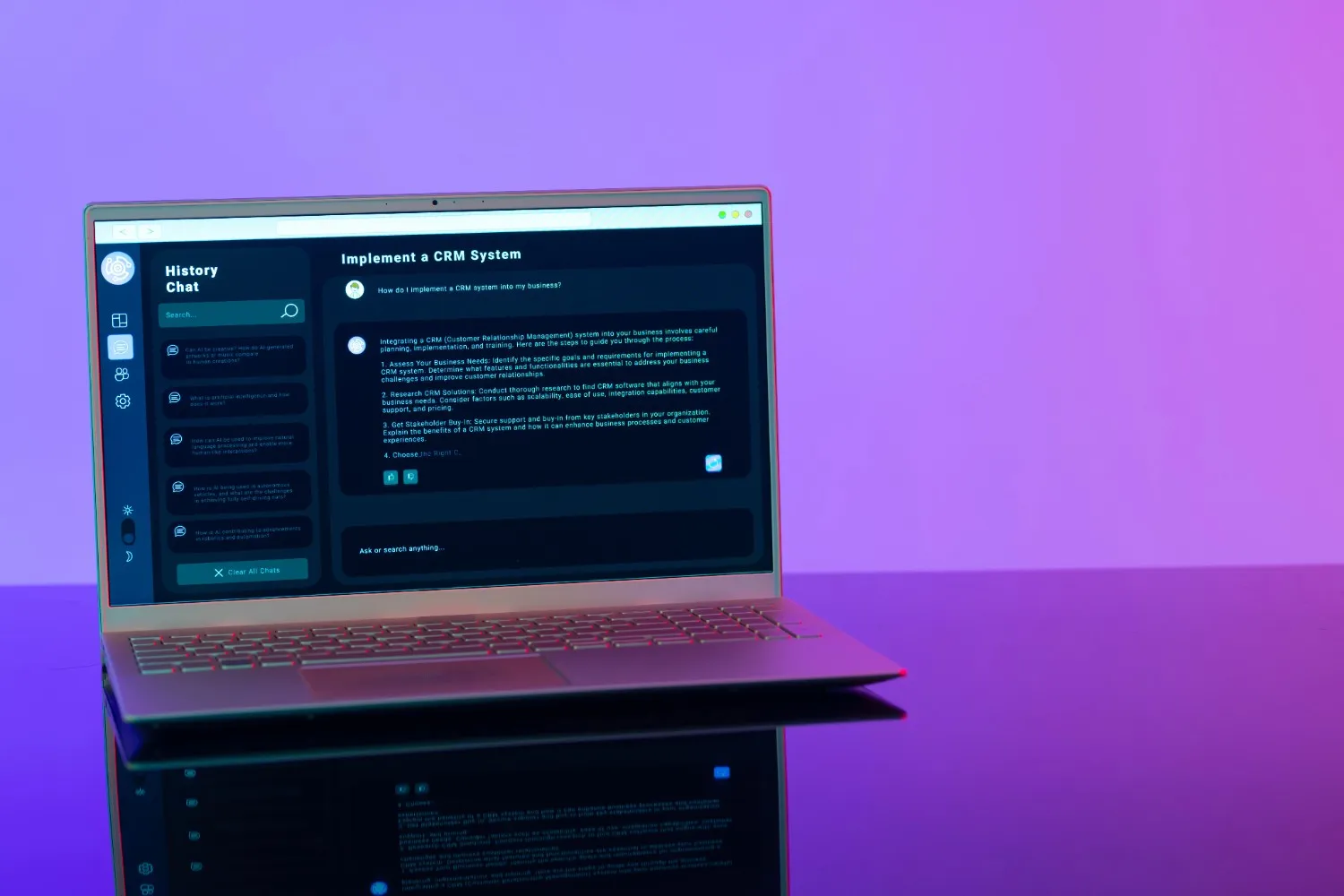
In 2026, the prevailing anxiety is that AI will replace the workforce. The reality, however, is far more nuanced: AI is not removing the need for talent; it is raising the barrier to entry for it.
AI handles volumes. Humans handle judgment.
So while AI handles the "average," the premium on "exceptional" has skyrocketed - paradoxically creating critical new gaps that only humans can fill. As
Examples:
- CX bots resolve simple tickets; humans save relationships.
- Code generators write boilerplate; architects design systems.
The winning model is AI-augmented, human-led, and choosing the right method to build remote CX support teams, taking into account this reality will be a deal-breaker in 2026.
At Work for Impact, we don’t just advise our clients on this hybrid reality; we built our entire operating model upon it. We have always believed technology should enhance human potential, not replace it. Freeing time and energy for teams to focus on what deserves flesh, brains, and a beating heart: Strategy. Growth. Empathy.
So in our model, AI accelerates sourcing, while humans ensure deep cultural calibration, soft-skill assessment, and role fit.
Integration: Where Global Teams Succeed or Fail
Most global hiring failures happen after recruitment, especially when companies work with transactional vendors instead of an international remote hiring agency.
High performing teams share:
- Cultural alignment
- Clear async process
- Direct integration into client workflows
Remote teams must feel like insiders, not vendors. A global talent partner gets that nuance and navigates you through it. Transparency as a Trust Mechanism, opaque pricing erodes trust and inflates risk.
Work for Impact operates on a transparent cost-plus model. Clients see exactly what the talent earns and what we charge to support sourcing, compliance, and ongoing management. (Read: Why Companies Save More When They Shift to Remote Talent.)
The Future is Borderless and Intentional

The strongest organizations will not chase cheap labour. They will build inclusive, engaging, and operationally robust global talent ecosystems. Remote staffing has evolved into a strategic discipline. The advantage belongs to those who design it deliberately.
Contact Work for Impact today to design your Talent Strategy.
Frequently Asked Questions
Q1. How does a Strategic Global Talent Partner differ from an Employer of Record (EOR)?
An Employer of Record focuses primarily on legal employment and statutory compliance. Work for Impact also handles compliance through its legal framework, but goes beyond EOR by managing sourcing, cultural alignment, performance support, and long-term retention. Compliance is foundational, not the end product.
Q2. Why is Fair Pay considered a business strategy rather than just a CSR initiative?
Traditional outsourcing models inflate margins by compressing talent compensation. Our model does the opposite. By taking a smaller, clearly defined margin, clients pay less overall while talent earns more. This alignment reduces churn, improves performance, and creates a more sustainable system for everyone involved.
Q3. Will AI reduce the need for global staffing agencies?
No, it shifts the demand toward specialized human talent. A global staffing partner is essential in this environment to identify the specialized, high-capability minds needed to audit, guide, and orchestrate your AI systems effectively.
Q4. How does the "Transparent Pricing" model benefit my organization?
Traditional BPOs often utilize "black box" pricing, bundling salaries, overhead, and margins into an opaque hourly rate that obscures the talent's actual pay. A transparent model (e.g., Work For Impact’s Cost + 17% Uplift) aligns incentives and removes exploitation risk.